
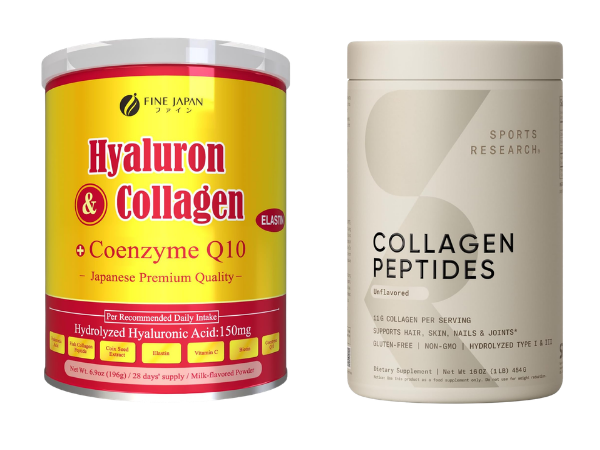
Collagen supplements have surged in popularity as people seek ways to support skin elasticity, joint health, and overall vitality. Among the most common forms are liquid collagen and powdered collagen, each offering unique benefits and drawbacks.
What Is Liquid and Powdered Collagen?
Collagen is a structural protein found in skin, bones, and connective tissues. Supplements aim to replenish declining collagen levels as we age.
- Liquid Collagen – Pre-mixed, ready-to-drink supplement.
- Powder Collagen – Dry collagen peptides to mix into drinks or food.
- Hydrolyzed Collagen – Smaller peptides for better absorption.
- Supplement Formats – Includes capsules, gummies, powders, and liquids.
- Collagen Benefits – Supports skin elasticity, joint comfort, and hair strength.
Ultimately, both liquid and powdered collagen deliver the same core ingredient but differ in convenience, taste, and formulation.
Difference 1: Absorption and Bioavailability
Bioavailability refers to how efficiently nutrients are digested and utilized. Liquid collagen is often marketed as having faster absorption since it is already dissolved, while powdered collagen requires mixing and digestion before peptides enter the bloodstream.
- Liquid Collagen Absorption – Claimed to be quicker due to pre-dissolved peptides.
- Powder Collagen Absorption – Still effective, but digestion may take longer.
- Hydrolyzed Peptides – Both forms use hydrolyzed peptides for better uptake.
- Scientific Studies – Research shows both formats improve skin and joint health.
While liquid collagen may offer a slight edge in speed, powdered collagen remains highly effective. The difference is often minimal, and consistency of use matters more than format.
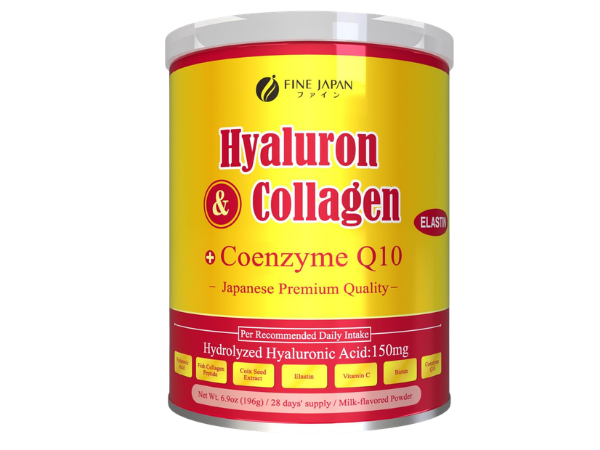
Difference 2: Collagen Dosage and Serving Size
Most studies suggest daily intake of 2.5–10 grams of collagen peptides for noticeable benefits. Liquid collagen servings are usually pre-measured, while powdered collagen allows flexible dosing.
- Liquid Collagen Dosage – Typically 5–10 grams per bottle or sachet.
- Powder Collagen Dosage – Adjustable, often 10 grams per scoop.
- Pre-Measured Servings – Convenient for busy lifestyles.
- Flexible Dosing – Allows tailoring intake to personal needs.
- Clinical Recommendations – Research supports consistent daily intake.
Powdered collagen offers more control, while liquid collagen ensures convenience. The best choice depends on whether you prefer flexibility or simplicity.
Difference 3: Ingredients and Additives
Collagen supplements often include additional ingredients to enhance benefits. Liquid collagen frequently contains sweeteners, flavors, or added vitamins, while powdered collagen is usually pure peptides with fewer additives.
- Liquid Collagen Additives – May include sugar, flavoring, or preservatives.
- Powder Collagen Purity – Often unflavored and free of additives.
- Vitamin C Addition – Supports collagen synthesis.
- Hyaluronic Acid – Enhances skin hydration.
- Artificial Sweeteners – Common in flavored liquids.
If you prefer clean-label supplements, powdered collagen may be better. However, liquid collagen can provide a more enjoyable taste and added nutrients.
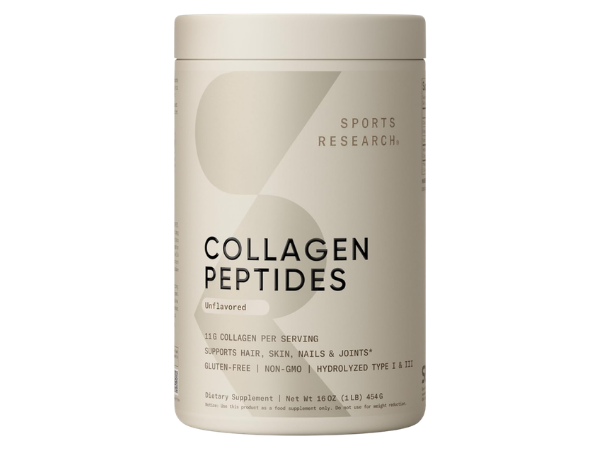
Difference 4: Taste, Texture, and Ease of Use
Liquid collagen is usually flavored—commonly fruity or sweet—to mask the natural protein taste. Powdered collagen, on the other hand, tends to be neutral or slightly bitter, depending on the brand.
- Liquid Collagen Taste – Often fruity or sweetened for palatability.
- Powder Collagen Taste – Neutral or slightly bitter, depending on brand.
- Mixing Options – Can blend into hot or cold beverages.
- Texture Differences – Liquids are smooth, powders may clump if not mixed well.
- Ease of Use – Liquids are grab-and-go, powders require preparation.
Liquid collagen is ideal for those who dislike mixing powders, while powdered collagen suits people who enjoy customizing their drinks.
Difference 5: Price and Value for Money
Liquid collagen generally costs more per serving because of its packaging, added flavors, and convenience. Powdered collagen, sold in larger tubs or sachets, tends to be more economical, offering a lower cost per gram of collagen.
- Liquid Collagen Price – Higher cost due to convenience and additives.
- Powder Collagen Price – More affordable in larger tubs.
- Cost Per Gram – Powder usually cheaper per gram of collagen.
- Subscription Options – Both formats available via monthly plans.
- Budget Considerations – Powder appeals to cost-conscious buyers.
Ultimately, powdered collagen is the more cost‑effective choice for those who prioritize value and long‑term use. Liquid collagen may justify its higher price for individuals who prefer ready‑to‑drink convenience and enhanced flavor.
Difference 6: Storage, Portability, and Convenience
Liquid collagen often comes in bottles or sachets that require refrigeration after opening, which can limit flexibility. Powdered collagen, by contrast, is lightweight, shelf‑stable, and easy to store in tubs or single‑serve packets.
- Liquid Collagen Storage – Must be refrigerated once opened.
- Powder Collagen Storage – Shelf-stable, lasts longer.
- Portability – Liquids are bulky, powders fit in small packets.
- Travel-Friendly Options – Powder sachets are ideal for travel.
- Convenience Factor – Liquids save time, powders save space.
For frequent travelers, powdered collagen is more practical. Liquid collagen suits those who want immediate consumption without preparation.
Which Type of Collagen Should You Choose?
The choice between liquid and powdered collagen depends on your priorities. If you value convenience, taste, and pre-measured servings, liquid collagen may be best. If you prefer affordability, purity, and flexibility, powdered collagen is the smarter option.
- Choose Liquid Collagen – Great for busy lifestyles and flavor preference.
- Choose Powder Collagen – Ideal for budget-conscious and clean-label seekers.
- Hybrid Approach – Some people use both depending on situation.
- Consistency Matters – Daily use is more important than format.
- Personal Preference – Ultimately, the best collagen is the one you’ll take consistently.
In conclusion, there is no universally “better” option—liquid collagen shines in convenience and taste, while powdered collagen excels in value and versatility.