
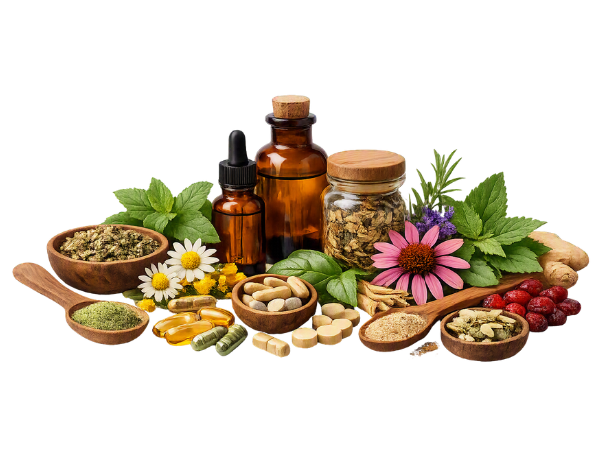
Herbal and natural supplements have become an essential part of modern wellness routines, offering plant‑based solutions for health, vitality, and balance.
What Are Herbal Supplements
Herbal supplements are dietary products made from plants or plant extracts, designed to support health and wellness. They can include leaves, flowers, roots, seeds, or bark, and are often concentrated into forms that make them easy to consume.
- Plant‑based extracts – Derived from herbs, roots, and seeds.
- Traditional medicine roots – Many supplements are based on centuries‑old practices.
- Multiple forms – Capsules, teas, tinctures, powders, oils.
- Dietary support – Used to complement nutrition and lifestyle.
- Holistic approach – Focuses on overall wellness rather than single symptoms.
Herbal supplements are often chosen by people who prefer natural remedies or want to avoid synthetic chemicals. They can be used for stress relief, immune support, energy, or digestive health.
Popular Types of Herbal Supplements
There are many categories of herbal supplements, each serving different purposes. Some are widely recognized for their effectiveness and are staples in wellness practices worldwide.
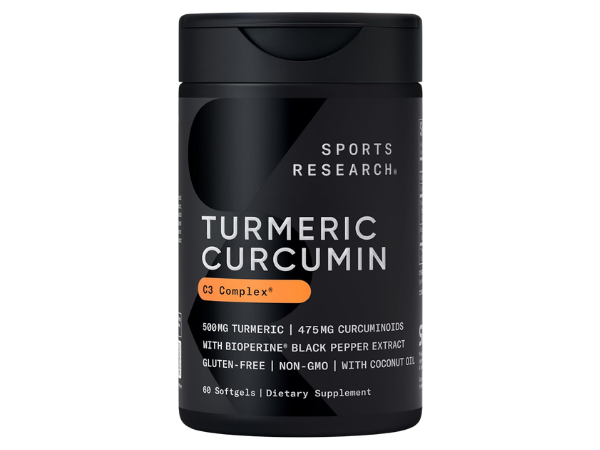
Sports Research Turmeric Curcumin w/Coconut Oil & BioPerine
The Sports Research Turmeric Curcumin supplement is formulated with Curcumin C3 Complex, standardized to 95% active curcuminoids for maximum potency.
Defining features of Sports Research Turmeric Curcumin:
- Standardized to 95% active curcuminoids for consistency.
- Includes BioPerine® for enhanced absorption.
- Infused with coconut oil to improve bioavailability.
- Non‑GMO and gluten‑free formulation.
- 60 softgels per bottle for a one‑month supply.
This supplement is ideal for individuals looking to support joint health, reduce inflammation, and promote overall wellness with a high‑quality turmeric extract.
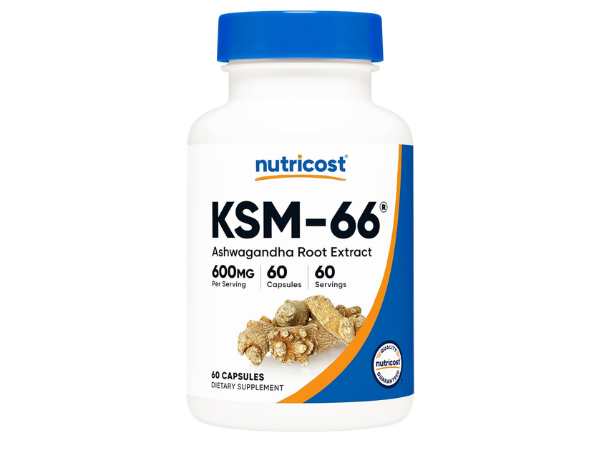
Nutricost KSM‑66 Ashwagandha Root Extract
The Nutricost KSM‑66 Ashwagandha supplement provides a full‑spectrum root extract standardized to 5% withanolides. Each capsule contains 600mg of pure root extract, combined with BioPerine® for improved absorption.
Defining features of Nutricost KSM‑66 Ashwagandha:
- 600mg full‑spectrum root extract per capsule.
- Standardized to 5% withanolides for potency.
- Enhanced with BioPerine® for absorption.
- Non‑GMO and gluten‑free.
- 60 capsules per bottle for a two‑month supply.
This supplement is ideal for those seeking natural stress relief, improved vitality, and balanced energy through one of the most researched adaptogenic herbs.
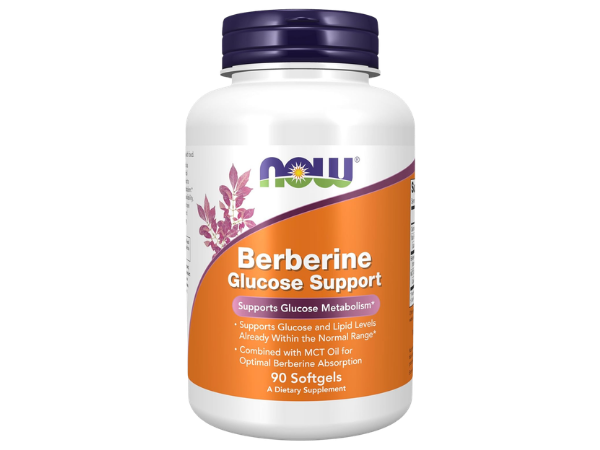
NOW Foods Berberine Glucose Support
The NOW Foods Berberine Glucose Support supplement combines berberine with MCT oil to optimize absorption. Berberine is a plant alkaloid traditionally used to support healthy blood sugar levels and metabolic function.
Defining features of NOW Foods Berberine Glucose Support:
- Contains berberine combined with MCT oil for better absorption.
- Supports healthy glucose metabolism.
- Promotes cardiovascular and digestive wellness.
- Non‑GMO and quality tested for purity.
- 90 softgels per bottle for extended use.
This supplement is best suited for individuals looking to maintain balanced blood sugar and metabolic health with a trusted, plant‑based formula.
Common Herbal Supplement Ingredients
Herbal supplements often contain active compounds that deliver specific health benefits. These ingredients are carefully extracted and standardized to ensure consistency.
- Alkaloids – Natural compounds that affect energy and mood.
- Flavonoids – Antioxidants that protect cells from damage.
- Essential oils – Concentrated plant oils with therapeutic effects.
- Saponins – Support immune and cardiovascular health.
- Tannins – Aid digestion and reduce inflammation.
These natural compounds are the foundation of herbal supplements’ effectiveness. By combining different ingredients, manufacturers create blends that target specific health needs.
Potential Benefits of Herbal Supplements
Herbal supplements are valued for their wide range of potential health benefits. While results vary depending on the individual and the supplement, many people report improvements in overall wellness.
- Immune support – Helps the body fight infections.
- Stress reduction – Calming herbs promote relaxation.
- Digestive health – Improves gut function and reduces discomfort.
- Energy boost – Natural stimulants increase vitality.
- Anti‑inflammatory effects – Reduces pain and swelling.
These benefits make herbal supplements appealing to those seeking natural ways to maintain health. However, they should be used responsibly and in consultation with healthcare providers.
Different Types of Herbal Supplements
Herbal supplements are available in many forms, each designed to suit different lifestyles and preferences. The type you choose often depends on convenience, absorption rate, and personal health goals.
- Capsules – Convenient and easy to dose.
- Teas – Traditional method with soothing effects.
- Tinctures – Concentrated liquid extracts.
- Powders – Versatile, can be added to food or drinks.
- Topical creams – Applied directly to skin for localized relief.
Choosing the right form depends on your health goals and convenience. For example, teas may be ideal for relaxation, while capsules are better for precise dosing.
How Herbal Supplements Are Made and Extracted
The process of creating herbal supplements is carefully designed to preserve the natural compounds that deliver health benefits. From the moment plants are harvested to the final packaging, each step ensures potency, safety, and consistency.
- Harvesting – Plants are collected at peak potency.
- Drying – Preserves active compounds for long‑term use.
- Extraction – Solvents or water are used to isolate beneficial compounds.
- Standardization – Ensures consistent potency across batches.
- Quality testing – Confirms purity and safety before distribution.
These steps guarantee that herbal supplements deliver reliable results. Understanding how they are made helps consumers trust the products they choose.