
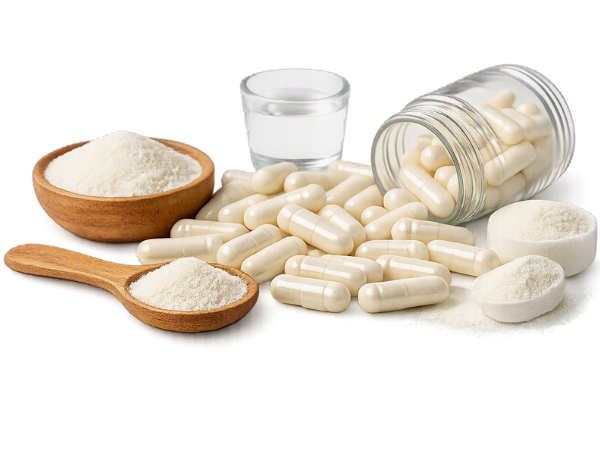
Collagen is one of the most abundant proteins in the human body, playing a vital role in skin elasticity, joint health, and overall structural support. With age, natural collagen production decreases, leading many people to turn to supplements.
Recommended Daily Collagen Dosage
Collagen dosage recommendations vary depending on the form of supplement and intended benefits. Most studies suggest a daily intake between 2.5 grams and 10 grams.
- 2.5–5 grams – Often recommended for skin hydration and elasticity.
- 5–10 grams – Commonly used for joint pain relief and muscle recovery.
- 10–15 grams – Sometimes taken by athletes or those with advanced joint issues.
- Hydrolyzed collagen – More easily absorbed, so smaller doses may be effective.
- Collagen peptides – Popular form with flexible dosage ranges.
In summary, the right dosage depends on your personal health goals. For general wellness, 5 grams daily is a safe starting point, while higher doses may be beneficial for targeted concerns.
Collagen Dosage by Health Goal
Different health goals require different collagen intake levels. Research shows that collagen supplementation can improve skin, joints, and even muscle mass when paired with exercise.
- Skin health – 2.5–5 grams daily improves elasticity and hydration.
- Joint support – 5–10 grams daily reduces stiffness and pain.
- Muscle recovery – 10 grams daily supports repair after workouts.
- Bone strength – 5–10 grams daily may help maintain density.
- Hair and nails – 2.5–5 grams daily strengthens keratin structures.
Tailoring your dosage to your specific needs ensures maximum benefit. For example, someone focused on beauty may need less than an athlete recovering from intense training.
Different Types of Collagen Supplements
Collagen supplements come in several forms, each with unique absorption rates and benefits. Choosing the right type can influence how much you should take.
- Collagen peptides – Hydrolyzed for easy absorption, versatile dosage.
- Gelatin – Less processed, often used in cooking.
- Marine collagen – Derived from fish, popular for skin health.
- Bovine collagen – Sourced from cows, supports joints and bones.
- Vegan collagen boosters – Plant-based, stimulate natural collagen production.
Each type has its strengths. Marine collagen is often favored for beauty, while bovine collagen is widely used for joint support. Dosage recommendations remain similar across types, but absorption efficiency may vary.
Best Time to Take Collagen
The timing of collagen supplementation can influence how effectively your body absorbs and utilizes it. While collagen is safe to take at any time of day, certain windows may enhance its benefits.
- Morning intake – Helps kickstart metabolism and may absorb better before meals.
- Post-workout – Supports muscle repair and joint recovery after physical activity.
- Evening use – May aid overnight regeneration and skin repair during sleep.
- With vitamin C – Enhances collagen production and effectiveness.
- Split doses – Dividing intake throughout the day ensures steady amino acid supply.
- Consistency over timing – Daily use is more important than exact timing.
- Personal preference – Choose a time that fits your routine for long-term adherence.
Ultimately, the best time to take collagen depends on your lifestyle and health goals. Whether morning, evening, or post-exercise, consistency is the most critical factor.
Taking Collagen Every Day
Taking collagen daily is one of the most effective ways to maintain consistent results for skin, joints, and overall wellness. Collagen works gradually, replenishing the amino acids your body needs to rebuild connective tissues.
- Consistency matters – Daily use helps maintain collagen levels and visible results.
- Flexible intake – Can be mixed into coffee, smoothies, or water.
- Digestive comfort – Hydrolyzed collagen is gentle and easily absorbed.
- Synergistic nutrients – Combine with vitamin C and zinc for better synthesis.
- Lifestyle support – Works best alongside balanced nutrition and hydration.
- Long-term benefits – Improvements often appear after 8–12 weeks of use.
- Safe for daily use – No known toxicity within recommended ranges.
Incorporating collagen into your daily routine is simple and sustainable. Whether you prefer powder, capsules, or liquid forms, the key is consistency.
Collagen Dosage and Safety
Collagen supplementation is widely regarded as safe, but understanding dosage limits and potential side effects is essential for responsible use. The body naturally produces collagen, yet age, diet, and lifestyle can reduce its efficiency.
- Recommended range – 2.5–15 grams daily depending on health goals.
- Digestive tolerance – Mild bloating or fullness may occur at high doses.
- Source awareness – Check whether collagen is marine, bovine, or porcine to avoid allergens.
- Hydration importance – Adequate water intake supports collagen metabolism.
- Medical consultation – Always advisable for pregnant or nursing individuals.
- Quality control – Choose supplements tested for purity and heavy metal content.
In conclusion, collagen is a low-risk supplement when used responsibly. Staying within recommended limits and selecting reputable brands ensures safety and effectiveness.