Protein supplements have become a cornerstone of modern nutrition, supporting athletes, fitness enthusiasts, and everyday individuals seeking better health. They provide a convenient way to meet daily protein needs, enhance muscle recovery, and improve overall wellness.
What Are Protein Supplements?
Protein supplements are concentrated sources of dietary protein designed to support muscle growth, recovery, and general health. They come in various forms, including powders, shakes, bars, and ready-to-drink beverages.
- Powders – The most common form, mixed with water, milk, or smoothies.
- Ready-to-Drink Shakes – Convenient for on-the-go nutrition.
- Protein Bars – Portable snacks combining protein with carbs and fats.
- Capsules – Less common, used for precise supplementation.
- Meal Replacements – Balanced formulas with protein, carbs, and micronutrients.
They help bridge nutritional gaps, making it easier to achieve daily protein targets without excessive meal preparation.
Top Protein Powders in 2026
These powders cater to different goals, whether building muscle, supporting endurance, or improving overall wellness. Choosing the right one depends on dietary restrictions, taste preferences, and fitness objectives.
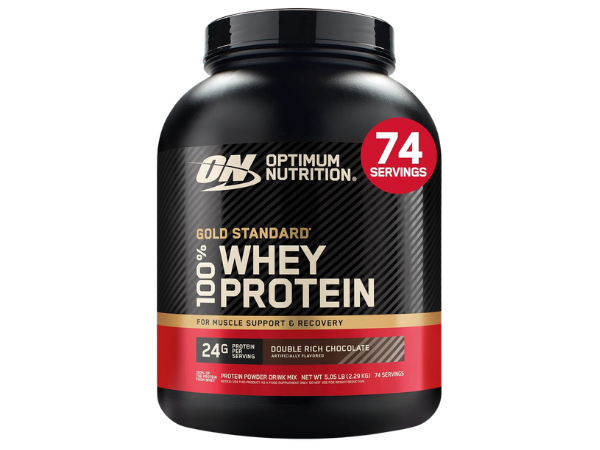
Best Overall Whey Protein: Optimum Nutrition Gold Standard 100% Whey
The Optimum Nutrition Gold Standard 100% Whey remains one of the most trusted protein powders in 2026. Known for its high-quality formulation, it delivers fast-digesting whey isolate and concentrate, making it ideal for post-workout recovery.
Defining features of Optimum Nutrition Gold Standard:
- High-Quality Whey Isolate – Rapid absorption for muscle recovery.
- Complete Amino Acid Profile – Rich in BCAAs, especially leucine.
- Multiple Flavors – Options like chocolate, vanilla, and strawberry.
- Easy Mixability – Smooth texture without clumping.
Its combination of taste, digestibility, and effectiveness makes it a staple in the supplement industry.
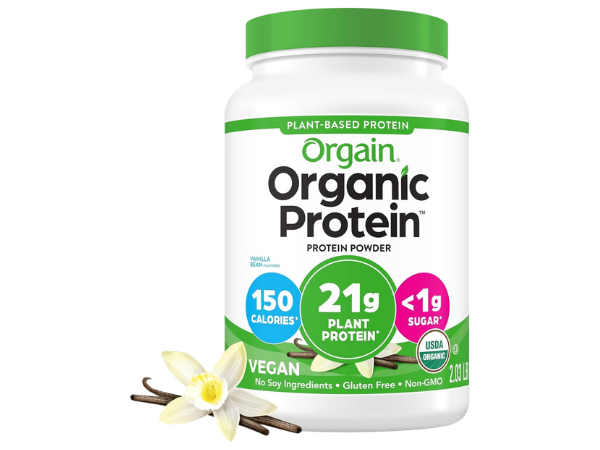
Best Plant-Based Protein: Orgain Organic Vegan Protein
The Orgain Organic Vegan Protein is a leading choice for plant-based nutrition. Made from pea, brown rice, and chia seed proteins, it provides a complete amino acid profile without dairy or soy.
Defining features of Orgain Organic Vegan Protein:
- Plant-Based Blend – Pea, rice, and chia for balanced nutrition.
- Organic Certification – Free from GMOs and artificial ingredients.
- Smooth Texture – Improved mixability compared to older vegan powders.
- Rich in Fiber – Supports digestion and satiety.
It combines sustainability with performance, making it a strong alternative to dairy-based proteins.
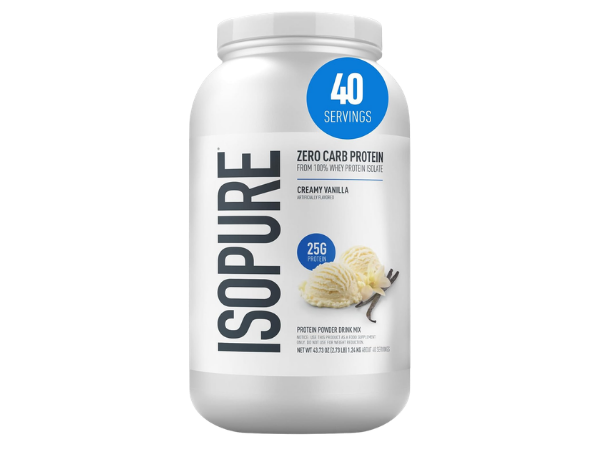
Best for Pure Protein: Isopure Zero Carb Protein
Made from whey protein isolate, it delivers high purity and zero carbohydrates, making it perfect for low-carb or ketogenic diets. Its clean formula ensures efficient recovery without unnecessary calories.
Defining features of Isopure Zero Carb Protein:
- Pure Whey Isolate – High protein content per serving.
- Zero Carbohydrates – Ideal for keto and low-carb diets.
- Gluten-Free – Suitable for sensitive individuals.
- Micronutrient Fortification – Includes vitamins and minerals.
Its purity and carb-free formulation make it a go-to option for advanced athletes and dieters.
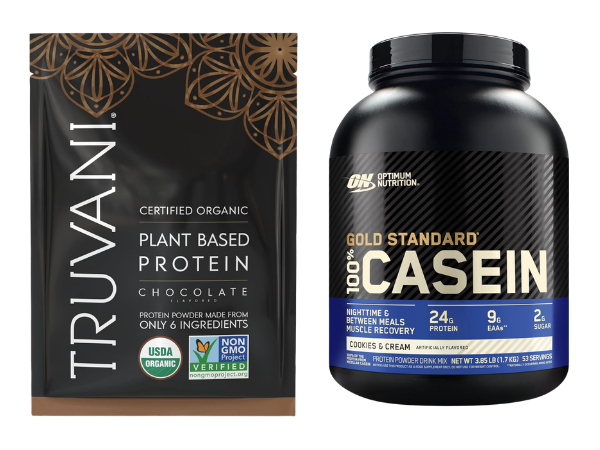
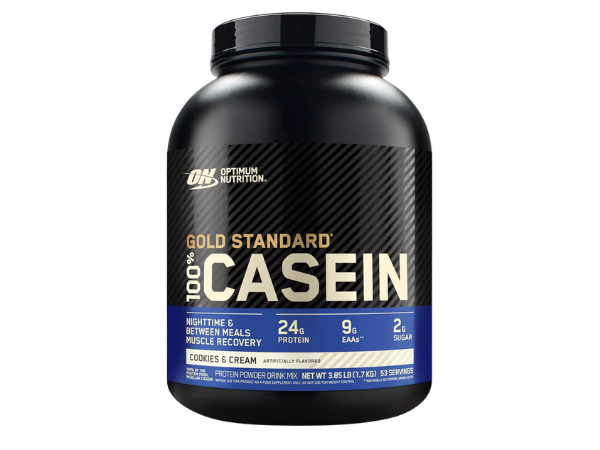
Best for Slow-Digesting Protein: Optimum Nutrition Gold Standard 100% Casein
The Optimum Nutrition Gold Standard 100% Casein is designed for athletes and fitness enthusiasts who need sustained protein release over several hours.
Defining features of Optimum Nutrition Casein:
- Slow Digesting Formula – Provides amino acids for up to 8 hours.
- Thick, Creamy Texture – Ideal for puddings, shakes, or bedtime snacks.
- High Micellar Casein Content – Ensures purity and effectiveness.
- Rich in Calcium – Supports bone health alongside muscle recovery.
It’s especially useful for athletes who train late in the evening or individuals seeking satiety during fasting periods.
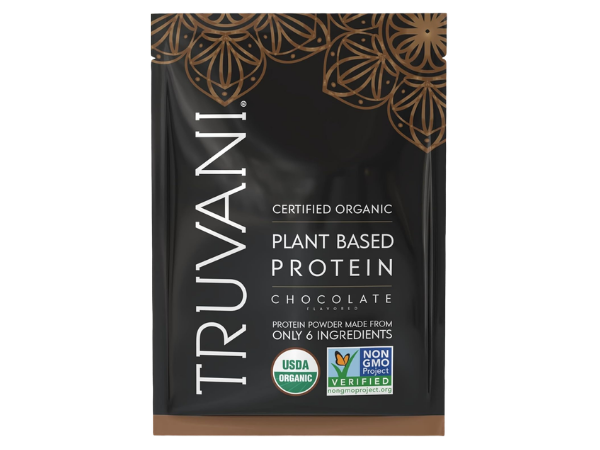
Best for a Simple Plant-Based Formula: Truvani Organic Plant Based Protein
The Truvani Organic Plant Based Protein is crafted for those who value simplicity and clean ingredients. Made from organic pea protein with minimal additives, it avoids artificial sweeteners, gums, and fillers.
Defining features of Truvani Organic Plant Protein:
- Clean Ingredient List – Only essential organic components.
- Pea Protein Base – Provides a solid amino acid profile.
- No Artificial Additives – Free from gums, fillers, and synthetic flavors.
- USDA Organic Certified – Ensures high-quality sourcing.
It emphasizes purity and sustainability, making it a strong choice for those who prioritize health and transparency in their nutrition.
Types of Protein Supplements
Protein supplements can be categorized by their source and processing method. Each type offers unique benefits, making them suitable for different lifestyles.
- Whey Protein – Derived from milk, rich in essential amino acids.
- Casein Protein – Slow-release protein for sustained absorption.
- Egg Protein – High-quality, lactose-free option.
- Soy Protein – Plant-based, complete amino acid profile.
- Pea Protein – Popular vegan choice, easy to digest.
- Hemp Protein – Nutrient-rich, with fiber and healthy fats.
- Rice Protein – Hypoallergenic, often blended with other sources.
Each type of protein supplement serves a different purpose. Whey and casein are best for athletes seeking muscle recovery and growth, while plant-based options like pea, soy, and hemp cater to vegans or those with allergies.
Benefits of Protein Supplements
Protein supplements deliver a wide range of advantages that extend beyond muscle building. They are designed to complement a balanced diet and provide targeted support for fitness, recovery, and overall wellness.
- Muscle Growth – Supports hypertrophy and strength gains.
- Recovery – Reduces muscle soreness and speeds repair.
- Weight Management – Promotes satiety and supports fat loss.
- Convenience – Easy way to meet daily protein needs.
- Healthy Aging – Helps preserve muscle mass in older adults.
- Immune Support – Certain proteins enhance immune function.
Beyond these direct benefits, protein supplements also contribute to better metabolic health, improved bone density, and enhanced skin and hair quality when combined with a balanced diet.
Whey, Casein, and Plant-Based Protein Compared
When choosing a protein supplement, one of the most important decisions is selecting the right source. Whey, casein, and plant-based proteins are the three most common categories, each offering unique benefits depending on your fitness goals, dietary restrictions, and lifestyle.
- Whey Protein – Rapid absorption, ideal for post-workout.
- Casein Protein – Slow digestion, supports overnight recovery.
- Plant-Based Protein – Sustainable, vegan-friendly, often blended for completeness.
Each protein type has distinct advantages. Whey is unmatched for quick recovery, casein excels in long-term muscle support, and plant-based proteins provide inclusivity for diverse diets while supporting sustainability.
How to Choose the Right Protein
Selecting the right protein supplement is not just about grabbing the most popular powder on the shelf—it requires careful consideration of your fitness goals, dietary restrictions, and personal preferences.
- Fitness Goals – Muscle gain, fat loss, or endurance.
- Dietary Restrictions – Vegan, lactose intolerance, allergies.
- Taste & Texture – Flavor variety and mixability.
- Budget – Price per serving and value.
- Digestibility – Ease of absorption and gut comfort.
Ultimately, the best protein supplement is the one that fits seamlessly into your lifestyle. If you train intensely, whey isolate may be your go-to. If you want overnight recovery, casein works best.
Safety and Side Effects of Protein
While protein supplements are generally safe, excessive use or poor-quality products may cause issues. Awareness of potential side effects ensures responsible consumption.
- Digestive Issues – Bloating, gas, or discomfort.
- Kidney Concerns – High intake may stress kidneys in vulnerable individuals.
- Allergies – Dairy or soy sensitivities.
- Additives – Artificial sweeteners or fillers.
- Quality Control – Importance of third-party testing.
In most cases, protein supplements are safe when used appropriately. The best approach is to calculate your daily protein requirement based on body weight and activity level, then use supplements to fill gaps rather than replace whole foods.